
Rain, Potholes, and Grit: The Ultimate Guide to E-Scooting in British Weather
1. Decoding IP Ratings: How “Waterproof” is Your Ride?
The most important technical spec for any UK rider is the IP (Ingress Protection) Rating. This tells you exactly how much moisture your scooter’s brain can handle before it shorts out.
- IPX4: Splash-proof. It can handle light drizzle and damp roads, but don’t take it out in a storm.
- IPX5/IP65: The “British Standard.” These can handle sustained low-pressure water spray. If you’re commuting daily in 2026, do not settle for less than IPX5.
- IPX7: Fully submersible. Rare for scooters, but these are the “tanks” of the industry.

Pro Tip: Even with a high rating, never use a pressure washer to clean your scooter. The force can bypass seals that rain cannot.
2. Pothole Survival: Why 10-Inch Wheels are Non-Negotiable
UK road maintenance is a constant talking point. For e-scooter riders, a small pothole can be a big problem.
In 2025/2026, the industry has shifted away from 8.5-inch wheels toward 10-inch tires. Why?
- Better Attack Angle: Larger wheels roll over cracks and holes that would trap smaller wheels.
- Traction in the Wet: Most 10-inch tires now feature deeper “siping” (grooves) to channel water away, preventing hydroplaning on wet asphalt.
- Shock Absorption: Whether you choose pneumatic (air-filled) or honeycomb solid tires, the extra diameter provides a much-needed buffer against vibration.

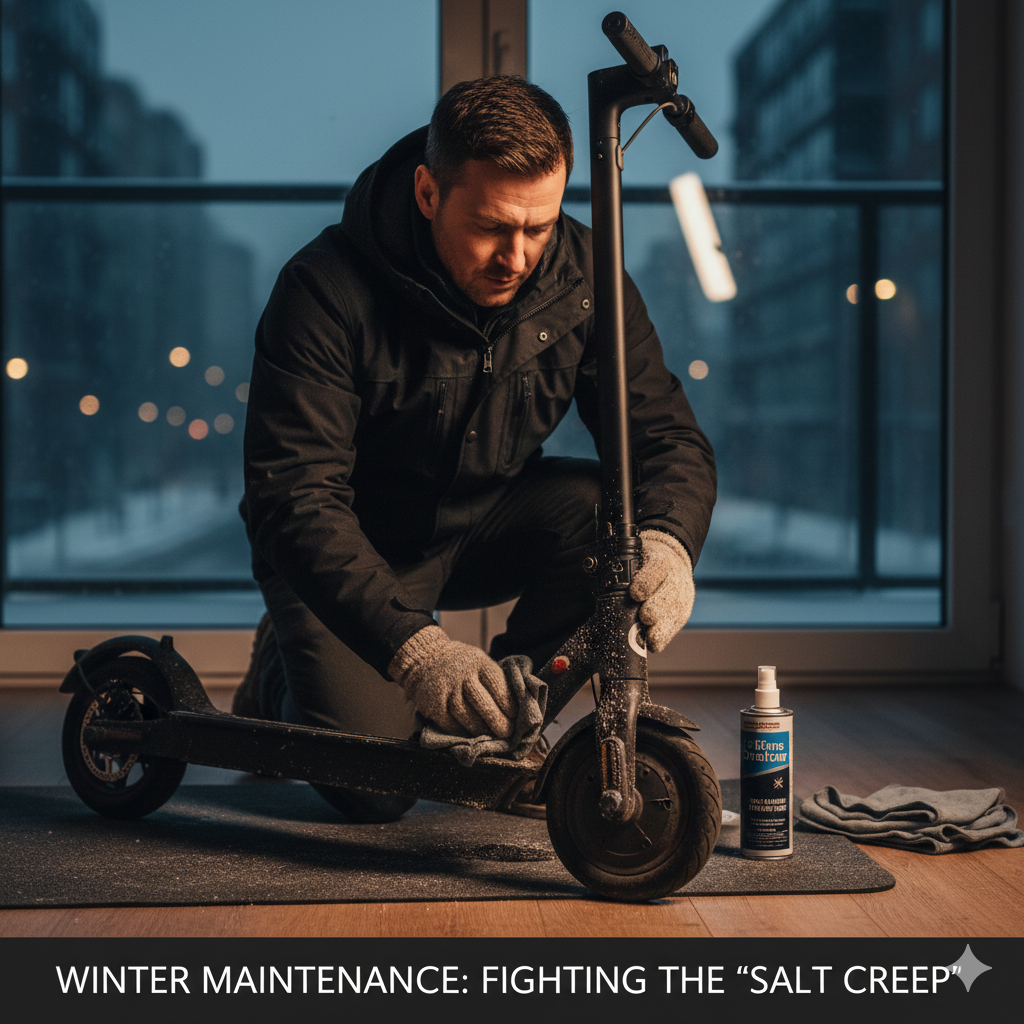
3. Winter Maintenance: Fighting the “Salt Creep”
In winter, UK councils spread grit and salt to prevent ice. While great for cars, this salt is highly corrosive to e-scooter motors and bearings.
Your “Post-Ride” 2-Minute Drill:
- Wipe Down: Use a damp (not dripping) cloth to remove salt and grit from the deck and folding mechanism.
- Dry the Charging Port: This is the point of failure. Ensure it’s bone-dry before plugging it in.
- Check the Brakes: Road grime can reduce the effectiveness of disc brakes. Give them a quick spray with a dedicated brake cleaner once a week.
4. Battery Care in the Cold
Lithium-ion batteries hate the British winter. In temperatures below 5°C, you might notice a 20-30% drop in range.
- Store Indoors: Never leave your scooter in a cold garage overnight. Bring it into the hallway to keep the battery “awake.”
- Don’t Charge a Frozen Battery: If you’ve just finished a ride in freezing temps, let the scooter sit at room temperature for an hour before charging. Charging a “cold” battery can cause permanent cell damage.

5. Visibility: Being Seen in the “Grey”
In the winter months, UK “daylight” often looks like twilight.
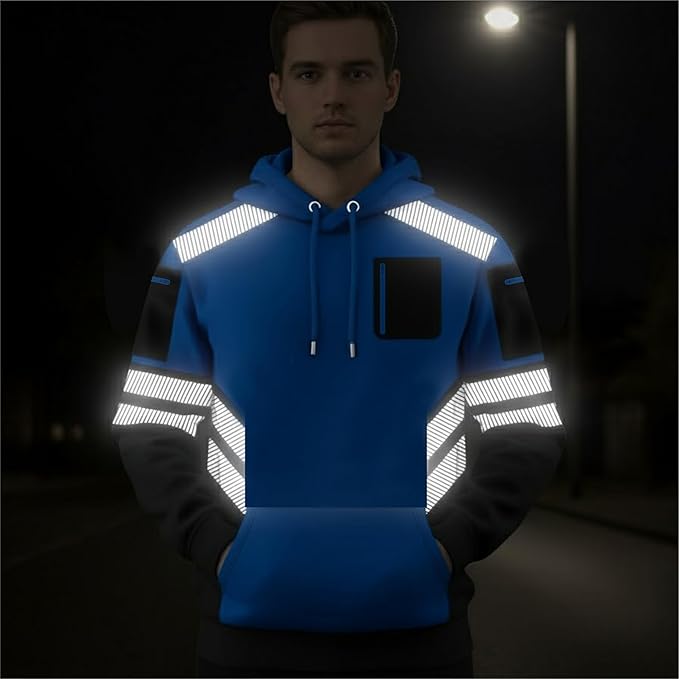
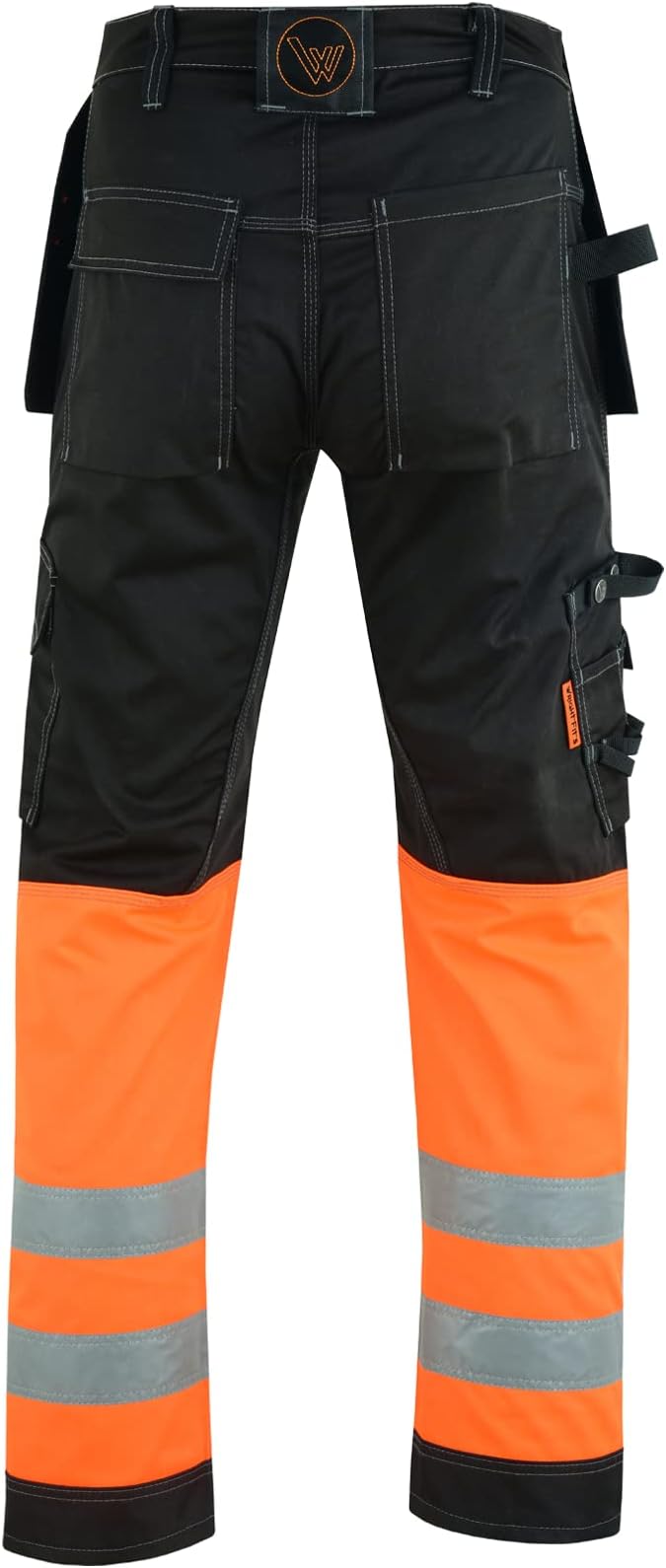
- High-Vis is Mandatory (Unofficially): Most 2026 scooters come with built-in LEDs, but they are low to the ground. Wear a reflective rucksack cover or a jacket with silver piping.
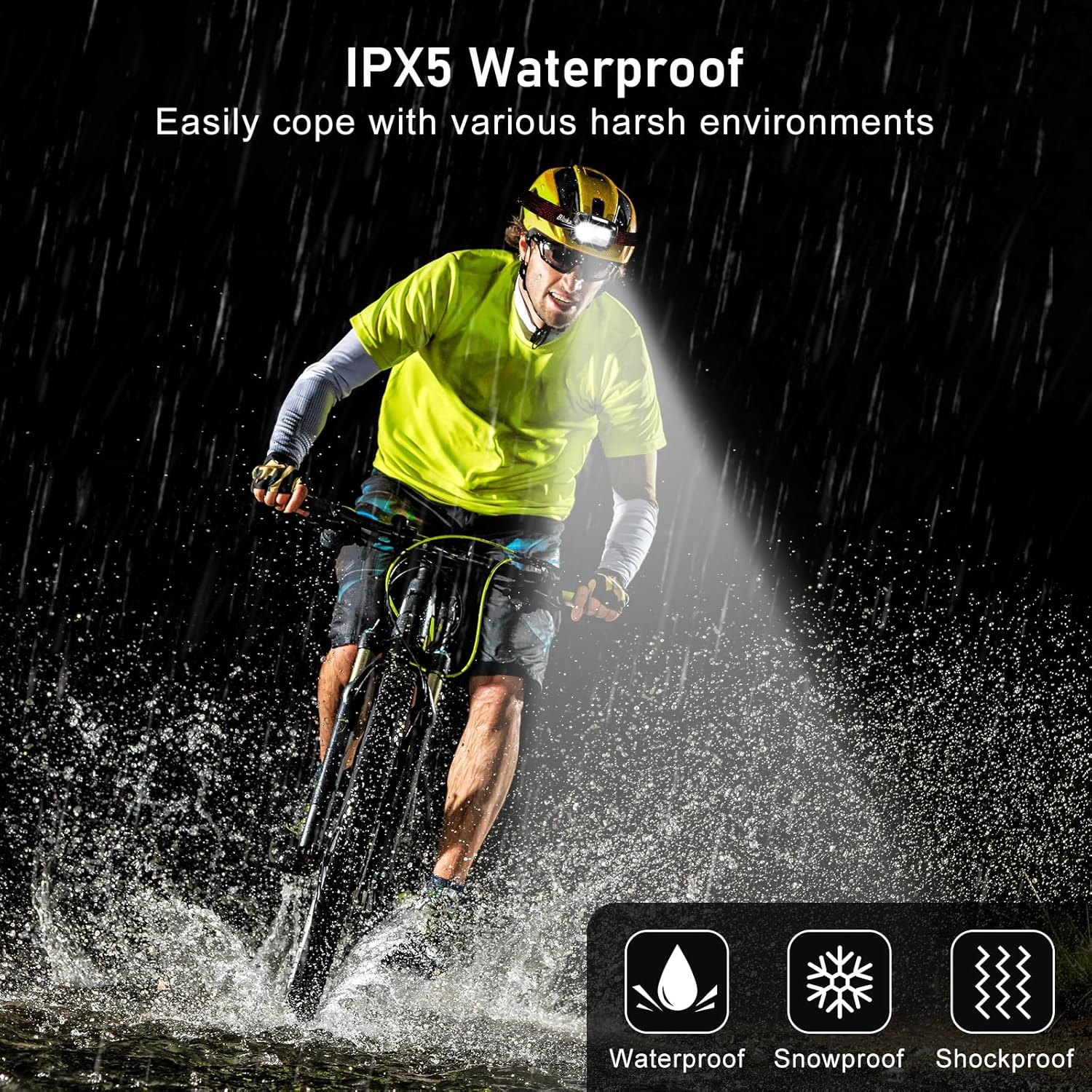
- Upgrade Your Lights: If your commute involves unlit cycle paths, consider a handlebar-mounted 1000-lumen light to spot “black ice” before you hit it. Or invest in a quality head torch.


Summary: The UK Weather Survival Kit
| Item | Why You Need It |
| Mudguard Extension | Stops the “Skunk Stripe” of muddy water up your back. |
| Silicone Grease | Apply to the charging port cover to keep a water-tight seal. |
| Grip Tape | Ensure your deck stays “sticky” even when covered in rainwater. |
Don’t let a little rain stop your revolution.
Our 10″ Electric Scooter features an IPX5 water-resistance rating and high-traction solid tires, specifically designed to handle the grit and damp of a British winter.

The 42V 17.5Ah battery offers a range of 45-50 km on a single charge, allowing for long, uninterrupted rides. Say goodbye to range anxiety during daily riding or weekend adventures